
Imagination
The Possible’s slow fuse is lit by the Imagination. – Emily Dickinson

Photo credit: Andryce Andres
From Self-Advocacy to Reimagination
June 2026
I pause when I hear my youngest child lift her voice to my oldest:
“I don’t like when you do that. This isn’t a fun game anymore.”
She self‑advocates. She names her need.
Then I hear a quiet “oh,” followed by, “What about…?”
And just like that, the two of them reimagine the game so that everyone’s needs are honored.
This is what communication access looks like in real time: a moment of rupture, a moment of repair, and a shared commitment to reimagine.
Self‑advocacy phrases are essential on any AAC system. They are not extras. They are not advanced. They are foundational. Phrases like: I need space. I don’t understand. Don’t do that. Stop. Hear me. I have a different idea. Not right now. This is not accessible. I have the right to be treated with dignity.
Every child deserves the language to protect their boundaries, express their needs, and shape their world.
Every child deserves partners who listen, adjust, and co‑create a path forward.
Self‑advocacy is not defiance or noncompliance. It is humanity. It is safety. It is belonging.
Unsure of how to begin?

Photo credit: Andryce Andres
Once Upon an Imagination
May 2026
Once upon an imagination there lived Something Different. Their friends were Maybe, What If, and I Wonder. They loved to play with all the possibilities that didn’t yet exist. And so their journey began.
They created suns and moons together until one day they discovered rainbows. Rainbows led them to dreaming. Dreaming to wishing. Wishing to building a beautiful rainbow bridge, which connected a single star to those who loved them. Together they discovered new sparkling colors. There was great joy and belonging and a happy heart. Each of those stars went shooting back home, to school, to play dates, and to family gatherings, sharing the colors they received from the rainbow bridge with many other stars. The vibrancy and sparkle rippled through to faraway lands.
Something Different took a deep breath, inhaling blues and golds and exhaling shades never witnessed before. Maybe caught a whiff of nostalgia, a memory caught between sleep and wake. What If felt a sense of calm and knowing because no one was asking why or how. I Wonder pondered it all and closed their eyes to imagine what beauty would follow.
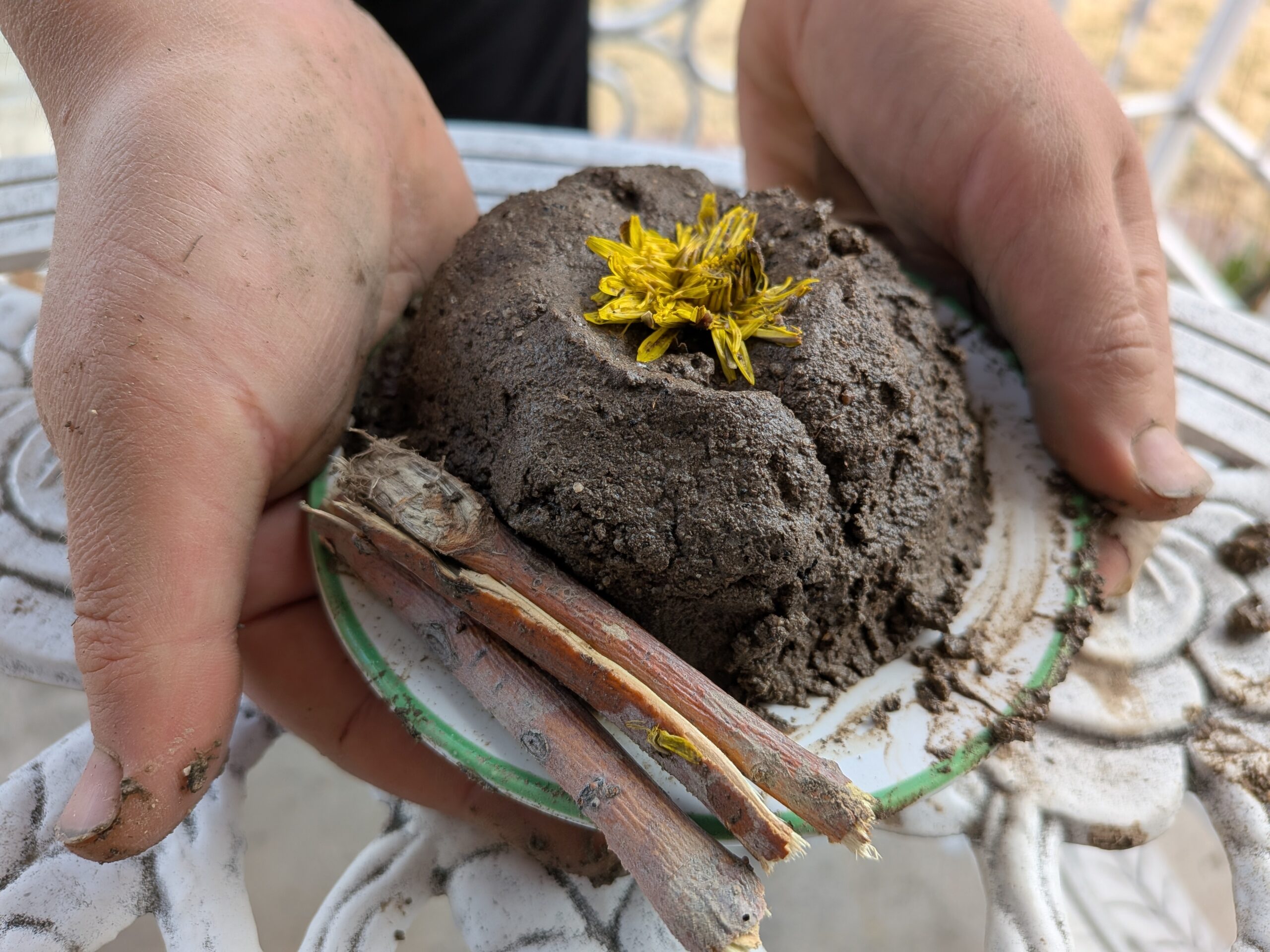
Photo credit: Andryce Andres
Imaginative Storytelling
April 2026
Writing is more than printing the letters on a page; it is word play, thoughts, stories, imagination brought to life.
Imagination is our superpower. It breaks reality, sparks possibilities, and reimagines the world – together.
There are many forms of imaginative storytelling – books, animation, theater, puppetry, songs, art, dance, play, even cooking. These forms of creative expression are essential to imagining new possibilities. These forms of creative expression amplify our voices.
May all hearts speak.
May the world illuminate from deep listening.
Something Different
March 2026
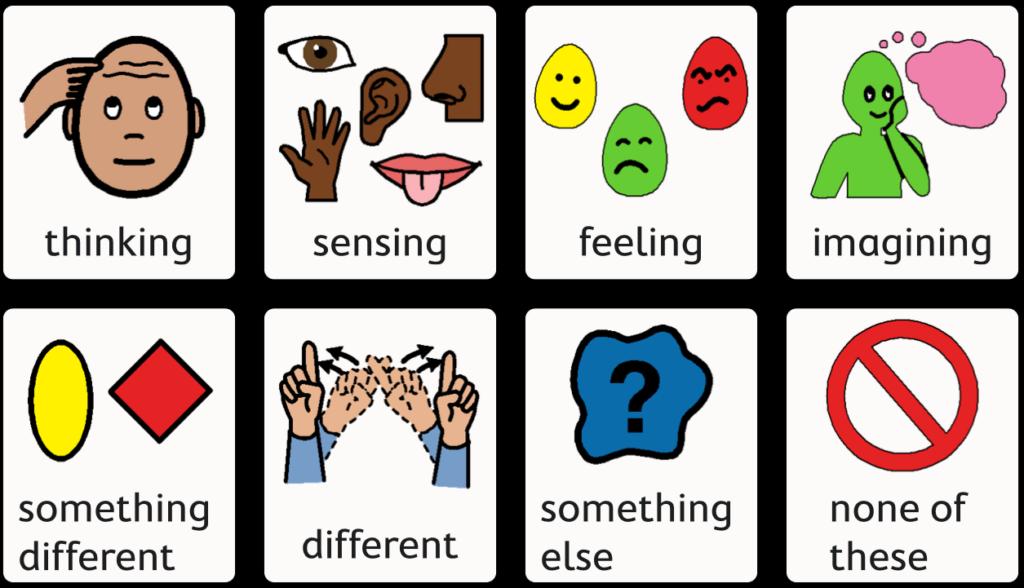
There are four ways of knowing (Plotkin, 2007).
The first is thinking – the way many of us are most familiar with. We analyze, read, and make sense of the world through ideas and logic.
The second is sensing – knowing through our bodies and our senses. Through observation, seeing, hearing, touching, smelling. We take in the world as it is, moment by moment.
The third is feeling – knowing through emotion. Through joy, grief, anger, and excitement, we come to understand not only ourselves, but others. We intuit what is carried in tone, expression, movement, and presence.
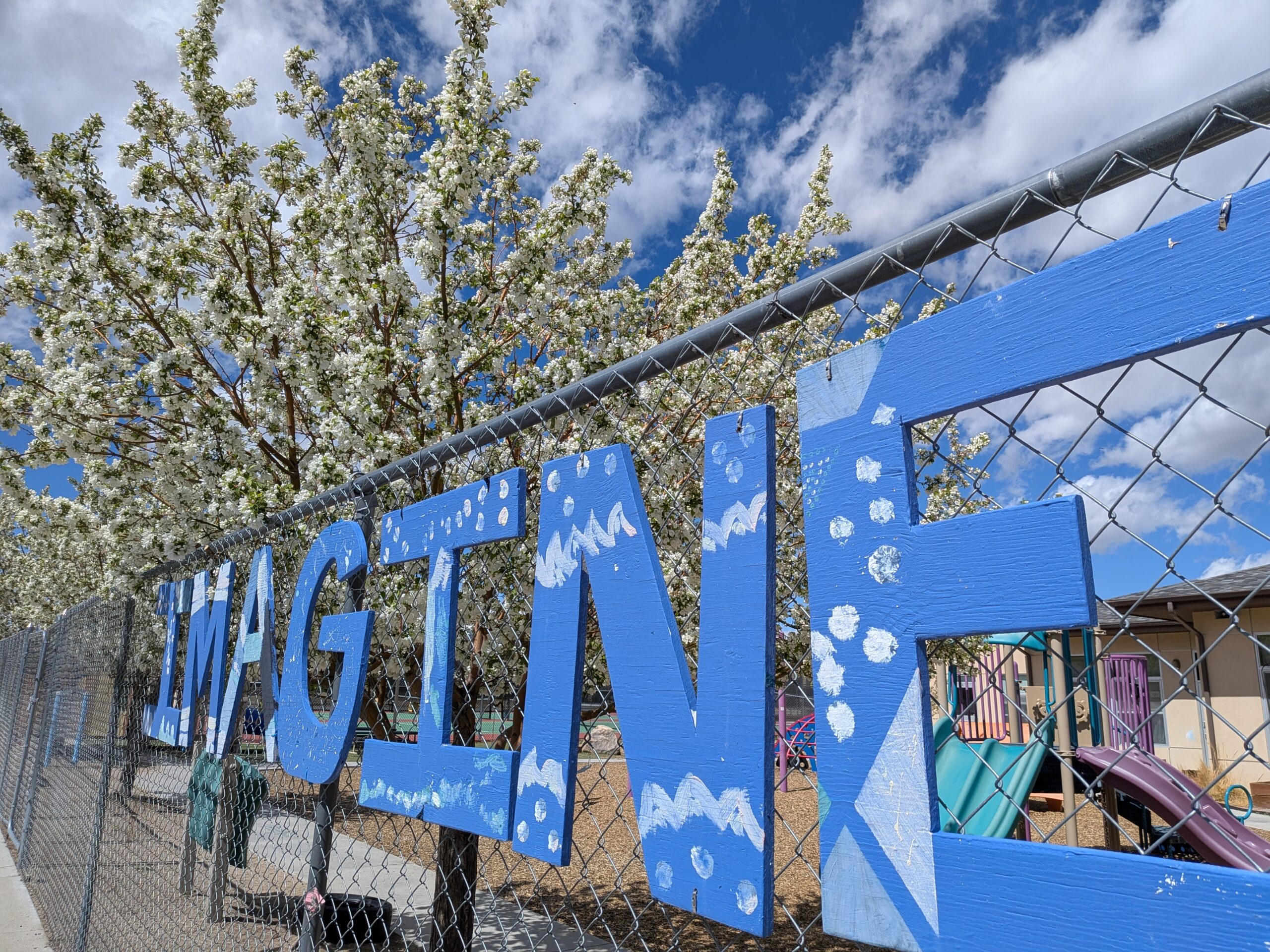
Photo credit: Andryce Andres
And the fourth is imagination.
Through imagination, we step beyond what is seen or known. We wonder. We create. We place ourselves in another’s experience. In children’s play, we hear it often: What if? Maybe… One idea builds on another – yes, and… – until something new begins to form.
Imagination is collaborative. It stretches beyond the expected. It makes space for possibility.
Imagination is deeply important when supporting individuals who use AAC.
As communication partners, we may scan words one by one, offering choices. But alongside those options, we must also offer something more: something different.
Because in offering “something different”, the finite becomes infinite.
To truly understand what lives in someone’s heart and mind, we must engage our imagination – not to assume, but to open. Not to project, but to wonder. No agendas. No limits.
Just a quiet, spacious question: If none of these, what is the “something different?”
Plotkin, B. (2007). Nature and the human soul: Cultivating wholeness and community in a fragmented world. Novato, CA: New World Press.