
AAC Immersion
Speak a new language so that the world will be a new world. -Rumi
The AAC Device is not the Destination
June 2026
Getting an AAC device is not the destination.
It’s one step on the winding journey of a labyrinth of communication.
It’s an exciting step, an overwhelming step, and a step filled with possibility.
A robust system arrives with thousands of words and a keyboard to generate even more,
A portal into everything a child might say.
It’s like handing someone a dictionary to a new language. Gifting the child a tool full of words, yet without the lived experience of speaking them.
When the AAC device arrives, it brings along an unexpected guest: an expectation that the child will suddenly say all that they’ve longed to say. It’s a long-awaited communication tool. It’s a lot of pressure.
I’ve seen what that pressure can do.
Families in tears, feeling the weight layered in hope.
Teams pointing fingers when IEP goals aren’t met.
Children hurling their brand‑new device across the room.
A moment meant for celebration erupts instead – a volcano of disappointment, disagreement, disconnection.
But a dictionary is not fluency.
A device is not a demand.
It is an invitation to learn a language – together.
But this step is still sacred.
It deserves celebration, spaciousness, breath.
So how do we reclaim it?
By remembering that communication grows through language immersion – through modeling, creating space and pause, and sharing joy to explore, to play, to learn together, to build an environment where communication grows in partnership, not pressure.
Photo credit: Andryce Andres
Language Immersion is Collective Work, and Joy too
May 2026
Children learn language through the people who hold space for them – family, friends, neighbors, classmates, educators and caregivers. Children learn language in the hum of everyday life – family voices, neighborhood rhythms, the chorus of school, and the cacophony of community. Children learn language through immersion – through people who speak with them, who create pause and silence, and who deeply listen with curiosity.
Learning a second language may begin with conjugating verbs in a weekly class, but fluency blooms only in immersion, where communication has purpose and warmth. AAC is language. When it’s used only in speech-language therapy, we mistake lack of opportunity for lack of ability. Then come the familiar explanations: they don’t like the device, they don’t know how to communicate, it’s not the right fit. Yet language has never lived in isolation. Communication is a shared responsibility. It is collective work. And it is collective joy. Like the reciprocity of a pollinator’s work: when we honor one another’s light of communication, we receive the beauty of authentic relationships.
Language immersion is not a technique; it’s a community practice. It happens in laughter, in shared games, in the small rituals of belonging.
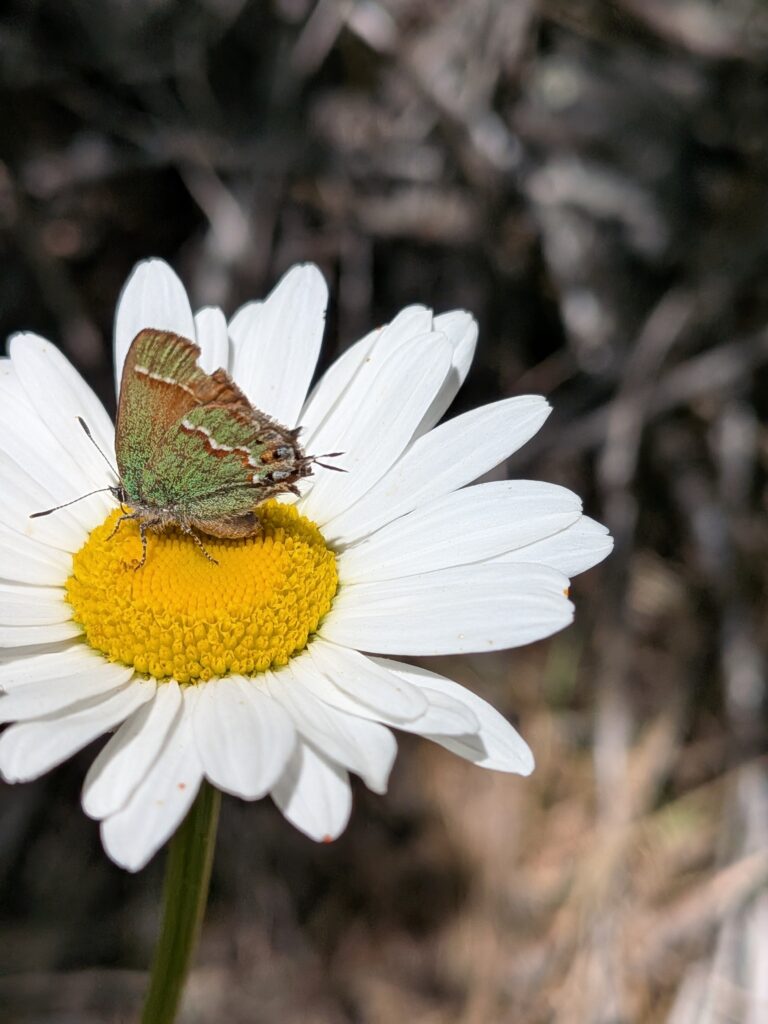
Photo credit: Andryce Andres
Photo credit: Tyler Andres
Imagine a world where a child’s cousins, grandparents, friends, and caregivers all speak the language of AAC – where the tools and strategies we expect a child to learn are held by the whole community. Not as a therapy task, but as a shared language woven into play, routines, and relationships. Something shifts. You can feel it in the laughter, in the rhythm of play, in the ease of being understood. We create a world where every voice is welcomed.
When communication becomes joyful, when we honor the light within ourselves and one another, space opens. Brave learning deepens connection. Listening becomes a practice of love. Stories spill out. Ideas take shape. Feelings find form.
Language is a labyrinth – winding through play, through relationship, through the deep work of witnessing one another fully. And in that shared journey the magic happens.
Language Immersion Nurtures Belonging
April 2026
Language immersion communicates your language belongs. Language immersion communicates you matter. Language immersion communicates we are learning, and we are listening.
Language immersion is a mirror – a way to see ourselves reflected, to recognize who we are, and to know we are visible to others.
AAC is language. AAC immersion amplifies inclusion. AAC immersion is a mirror – reflecting voice, identity, and presence. AAC immersion communicates your language belongs, you matter, we are learning, and we are listening.
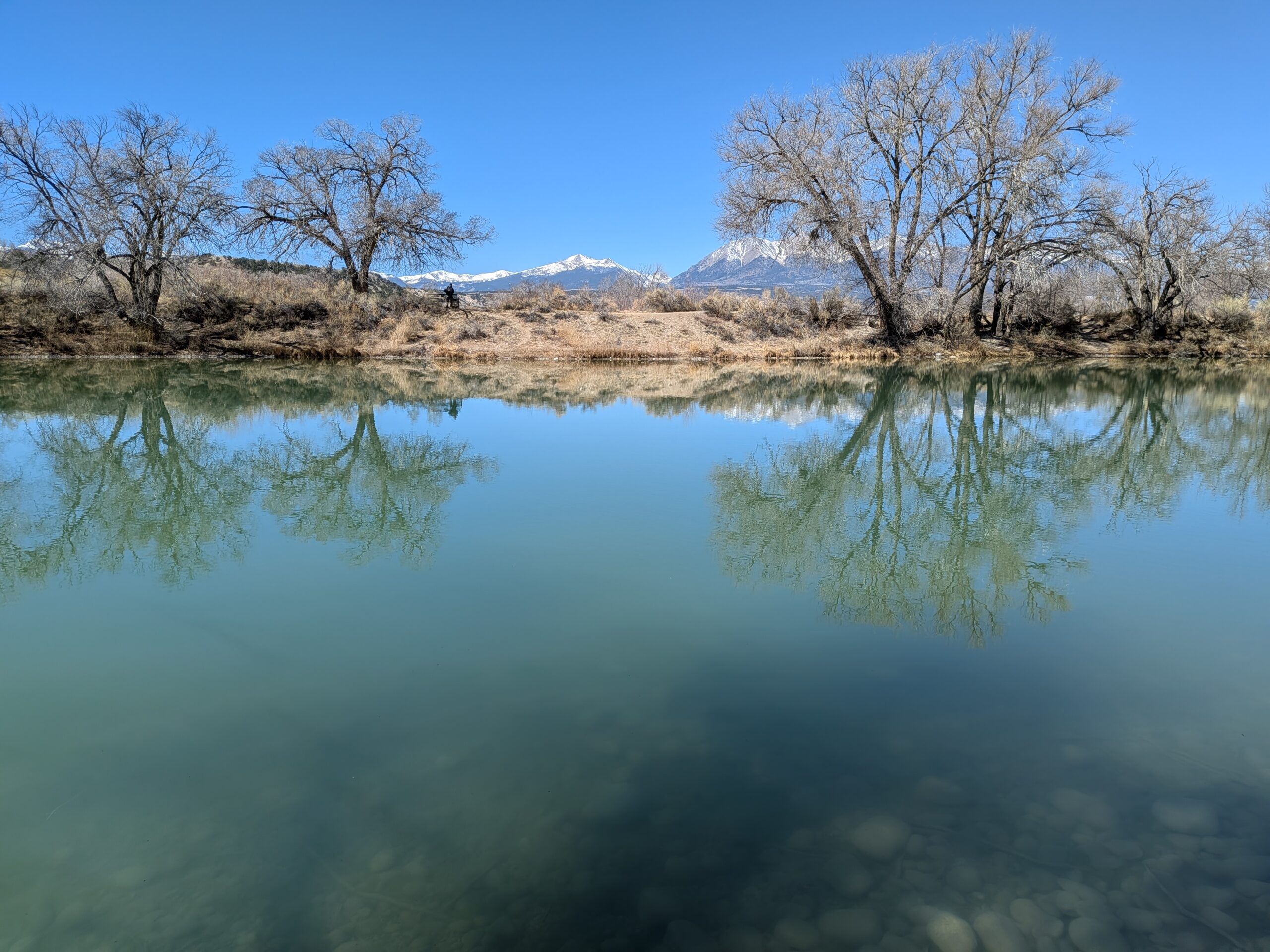
Photo credit: Andryce Andres
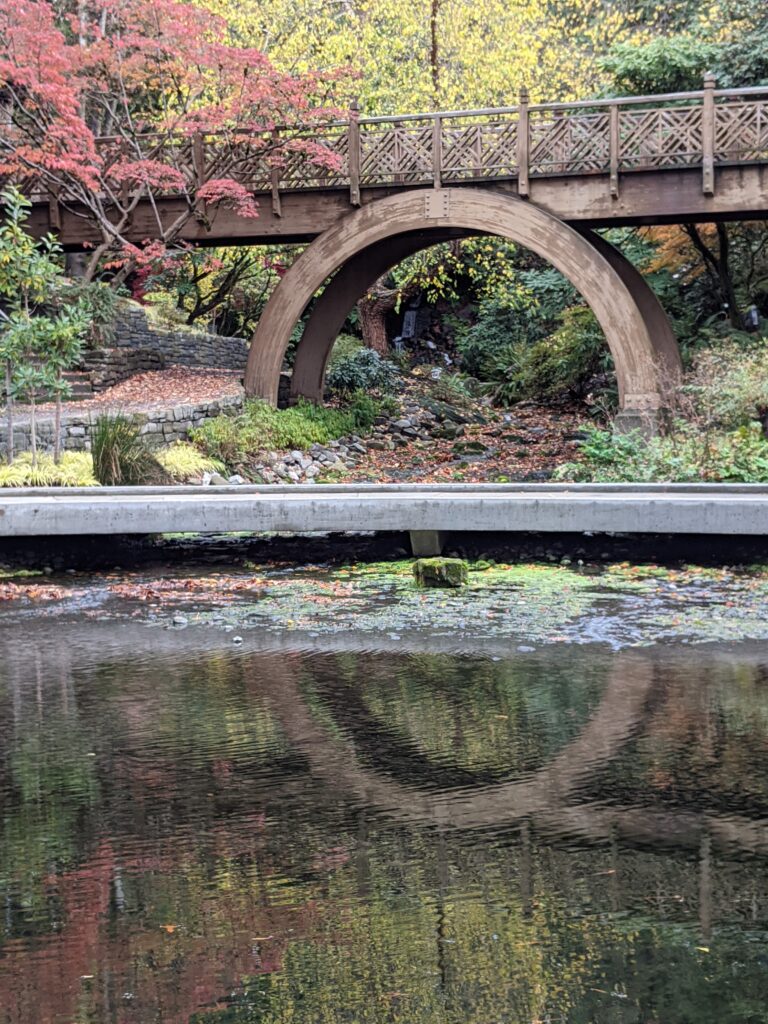
Photo credit: Andryce Andres
When we are included, we feel loved.
When we are included, we feel belonging.
When we are included, we are part of a community.
When we are included, we are honored for who we are.
When we are included, we are seen.
When we are included, we are heard.
Inclusion.
Love.
Community.
Connection.
Belonging.
When we listen, we receive love.
When we deeply listen, we receive connection.
AAC immersion is both a mirror and a bridge – giving and receiving, connecting and reflecting.
Tending the Soil of AAC Immersion
March 2026
Each spring brings a quiet sense of beginnings – buds on trees, sprouts pushing towards the light from beneath the soil, life unfolding gently. My family and I plant seeds together, and I often reflect on what this teaches me about supporting children who use AAC.
What is my role – as a parent, a speech-language pathologist, a community member in supporting a child’s language journey?
I am not responsible for making the seed grow. I am responsible for the environment.
I tend the soil. I offer sunlight, water, and care. I show up with presence and attention. But the seed carries its own wisdom – its own timing, its own unfolding, its own becoming.
Similarly I tend the environment of the language learner. I provide loads of language through my pointing, facial expressions, gestures and signs, speaking words, symbol words, printed words, storybooks, songs. I provide language learning opportunities with others, especially other kids.
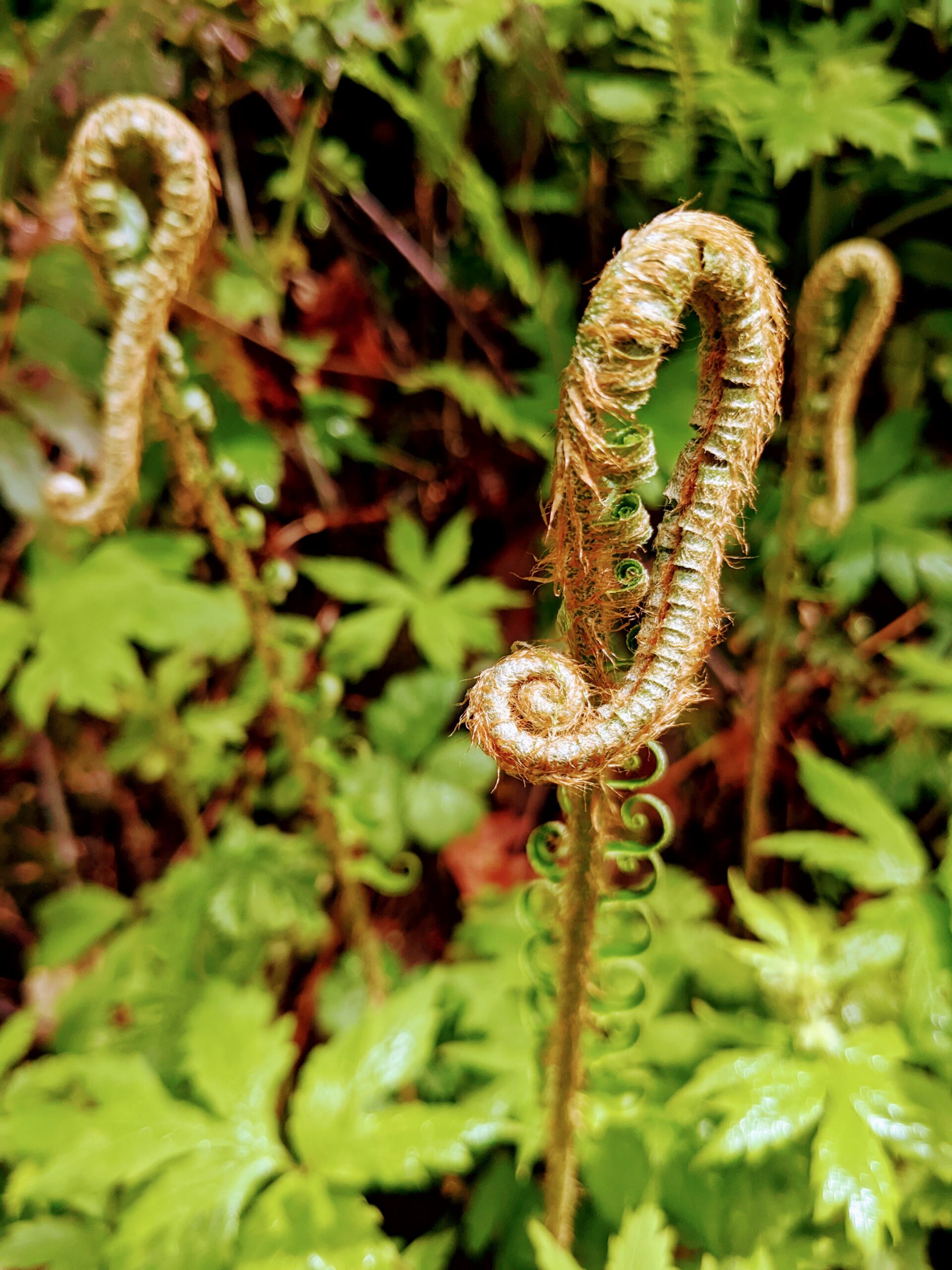
Photo credit: Andryce Andres
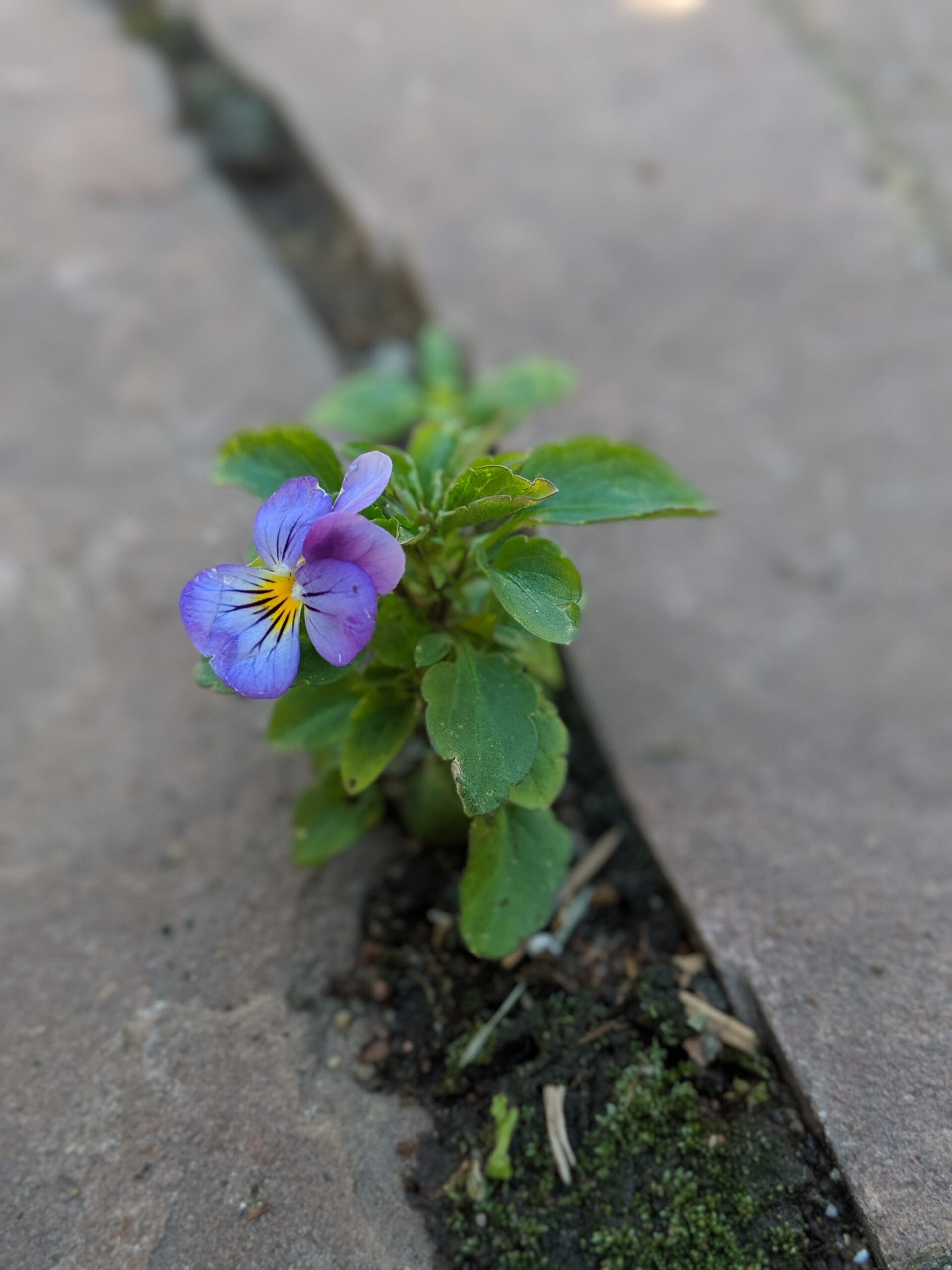
Photo credit: Andryce Andres
The child, like the seed, has everything it needs within: a quiet readiness to emerge, to express, to share itself with the world.
I do not force it open or fill it with the words I think it should say. I do not rush its growth. Instead, I stay near. I witness, I listen.
And in that space, I give my presence and my wonder. If we are to utter anything to children may it be these words: “I wonder…” This is an incredibly powerful statement to replace all the questions, all the quizzing, and all the “say ____” that many of us grown-ups resort to with children. “I wonder if you have a favorite. I wonder what happened. I wonder what happens next. I wonder…”
In the growth of the seed, I am responsible for the tending. The seed is responsible for its becoming. In the growth of a child’s language, I am responsible for tending the language immersion. The child is responsible for their becoming, for their expression, for choosing the words they want to share with the world around them. I wonder what they will say…