
Communication
It’s not only what you do; it’s the spirit of how you do it. – Parent of an AAC user
Storytelling: A Communication Goal
June 2026
Percentiles have no place in authentic communication. When I hear that a child isn’t “meeting communication goals,” I question the goals. When I hear that a child is not reliable in answering yes and no, I question the questions, the context, and the pressure. When I hear that a child threw their AAC device and it was taken away, I wonder what they’re throwing now, because frustration doesn’t disappear when the tool does. And when I hear that AAC “didn’t work” because a child explored, repeated, or played with words, I wonder what the expectation was. When literacy is dismissed as “not a life skill,” I question everything.

Children have stories – about pets and birthdays, about classroom adventures, about the people they love, about the hilarious and unexpected moments. Families overflow to tell these stories, eager to fill in the details. But when adults become the storytellers, the burden grows heavy, and the child becomes dependent on someone else to speak their life into the world.
Let’s make storytelling a goal. When something becomes a goal, we become accountable to teaching it, modeling it, and creating abundant opportunities to practice it. Children learn through play – through joy, through curiosity, through connection. So let’s keep it playful.
Because play is their work, and storytelling is their right.
Multi-Modal Communication
May 2026
Multi-modal communication. That’s simply a fancy term to describe the words we say with our mouths, our bodies, our faces, our hands, as well as the pencil, keyboard, apps and devices we use to communicate every day.
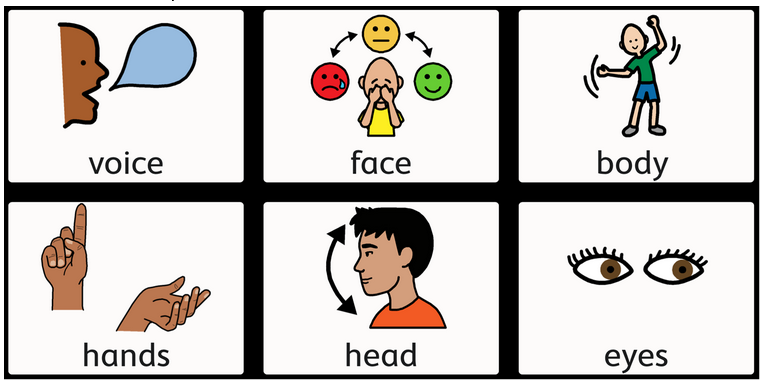
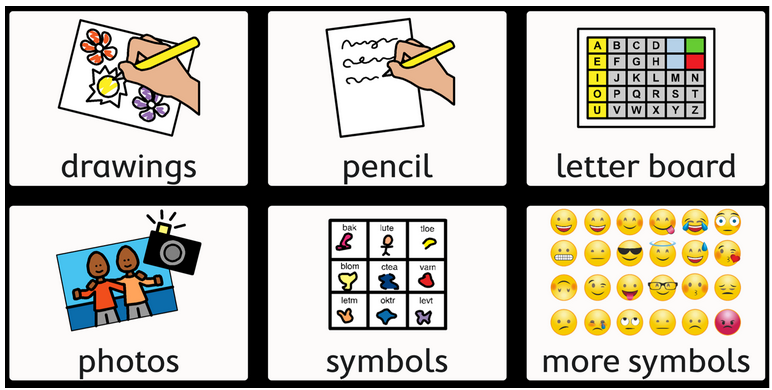
What forms of communication do you use throughout the day?
When do you shift to a different form of communication?
How does communication change with different people?
How does communication change in different places?
What pictures or symbols do you use?
What repair strategies do you use when there’s communication breakdown?
What tools or technology help you communicate?
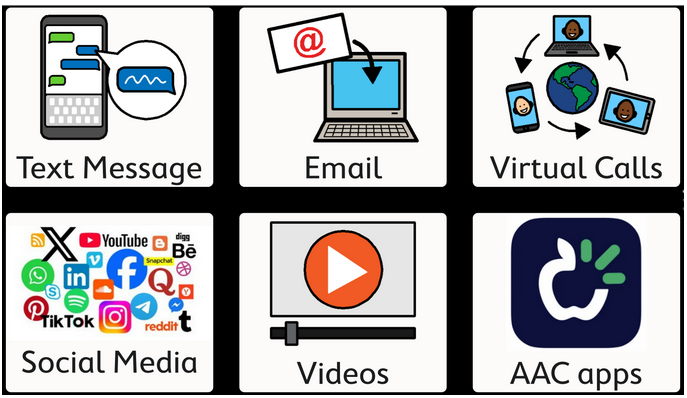
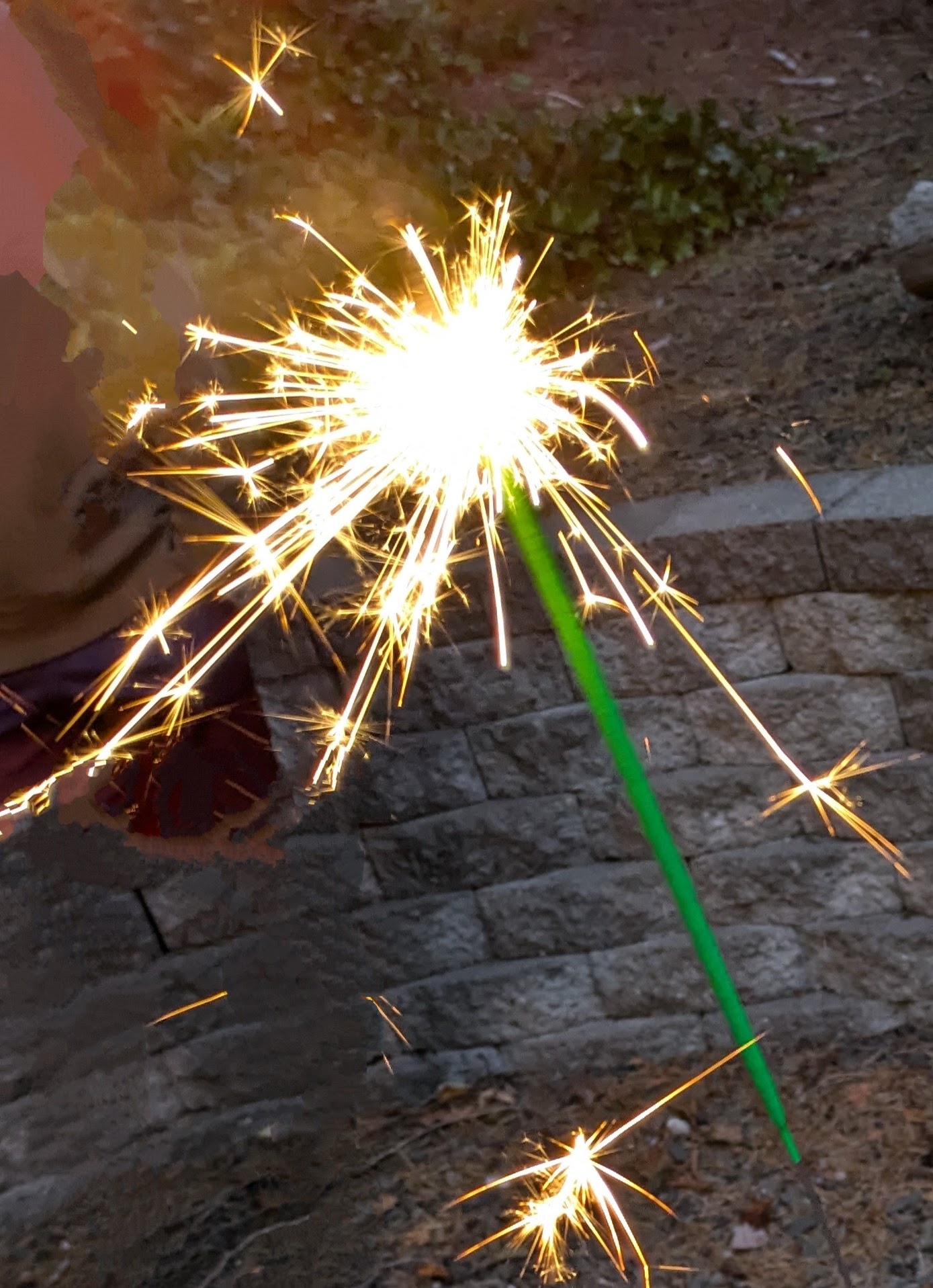
Photo credit: Andryce Andres
Communication is an Exchange of Light
April 2026
Every being has a light within them.
This light illuminates our ideas, our stories, our strength, and our sadness too.
There are many ways our light can feel at any given moment.
Sometimes we hold it close to our hearts, like a whisper.
Sometimes it moves freely, dancing like a song offered to the sky.

Photo credit: Bradyn Andres

Photo credit: Andryce Andres
Communication is an exchange of light. It is the reciprocity of sharing and receiving.
It is a powerful gift of truly hearing the spark and seeing the glow and feeling the warmth of one another’s light.

Photo credit: Andryce Andres
When we choose to share our light – however it shows up – when we try something new, meet someone new, or act with courage, we honor our own light.

Photo credit: Andryce Andres
And when we deeply listen – with our ears, eyes, a present body, an open heart, and a mind full of wonder – we begin to see and feel the light in someone else.
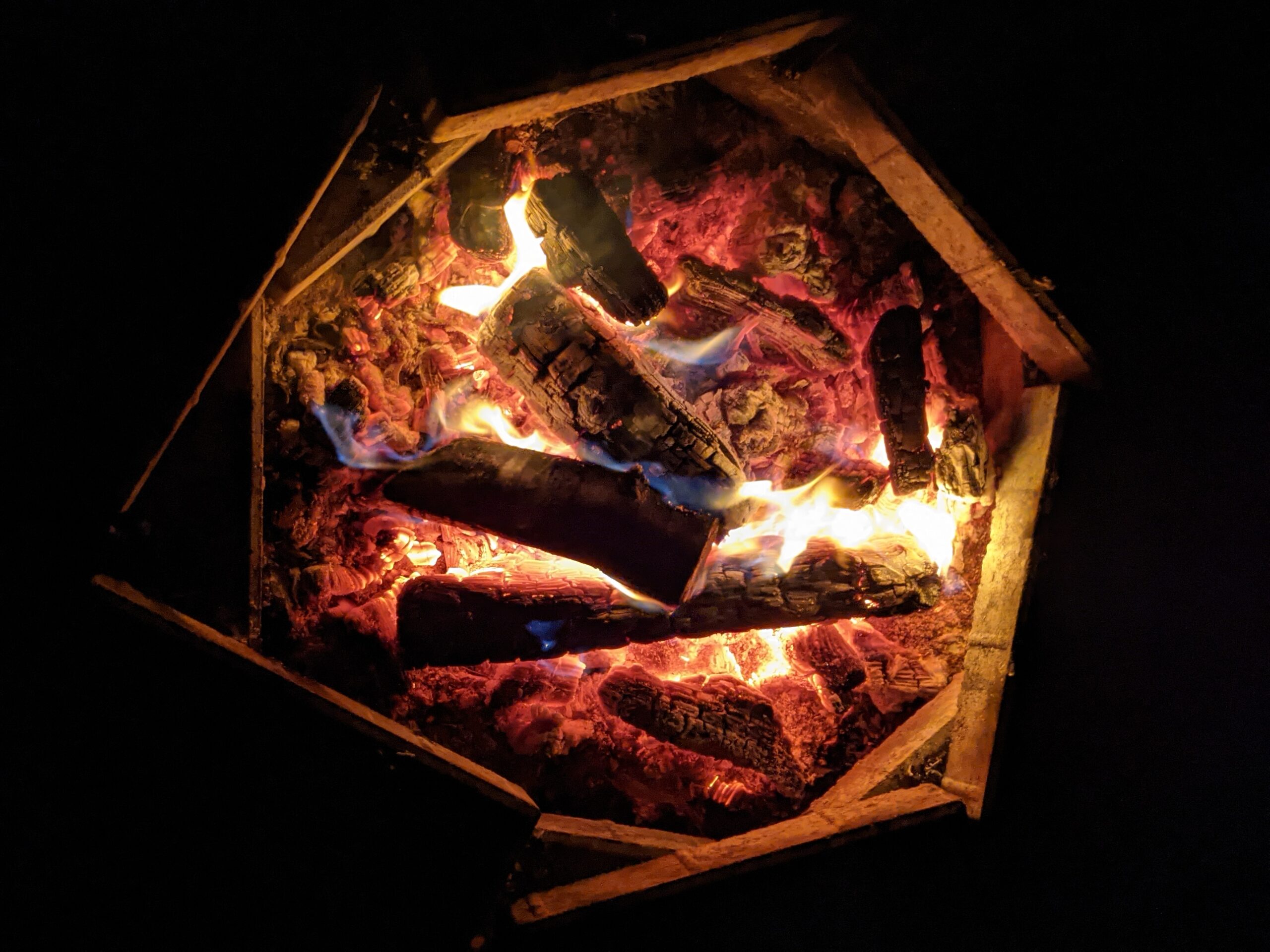
Photo credit: Andryce Andres
We honor another’s light by listening to their words, by noticing the brightness in their eyes, the expressions on their face, the movement in their body.

Photo credit: Bradyn Andres
What a gift it is to hear one another’s ideas, to share stories, to witness both strength and sadness.
May all hearts speak their authentic light.
May the world be illuminated by it – pure, genuine, and quietly magical.
To Deeply Listen
March 2026
Silence is not the absence of sound, but the presence of listening. – unknown
Have you ever noticed the quiet beauty of a tree in winter – its branches bare, revealing shape, texture, and design? It is the spaces between the branches that give the tree its form, its elegance, its meaning.
So it is with us.
When we hold space for another, especially for a child, we become those spaces. We offer presence, stillness, and deep listening.
In that space, they are free to reveal themselves – their shape, their design, their beauty.
“Wait time” suggests expectation, a pause filled with wanting something to happen. But holding space asks something different of us. It asks us to simply be – to listen, to remain still, to allow.
And in that openness, their true selves can emerge.